(1)-.jpeg?w=1000&h=1000)

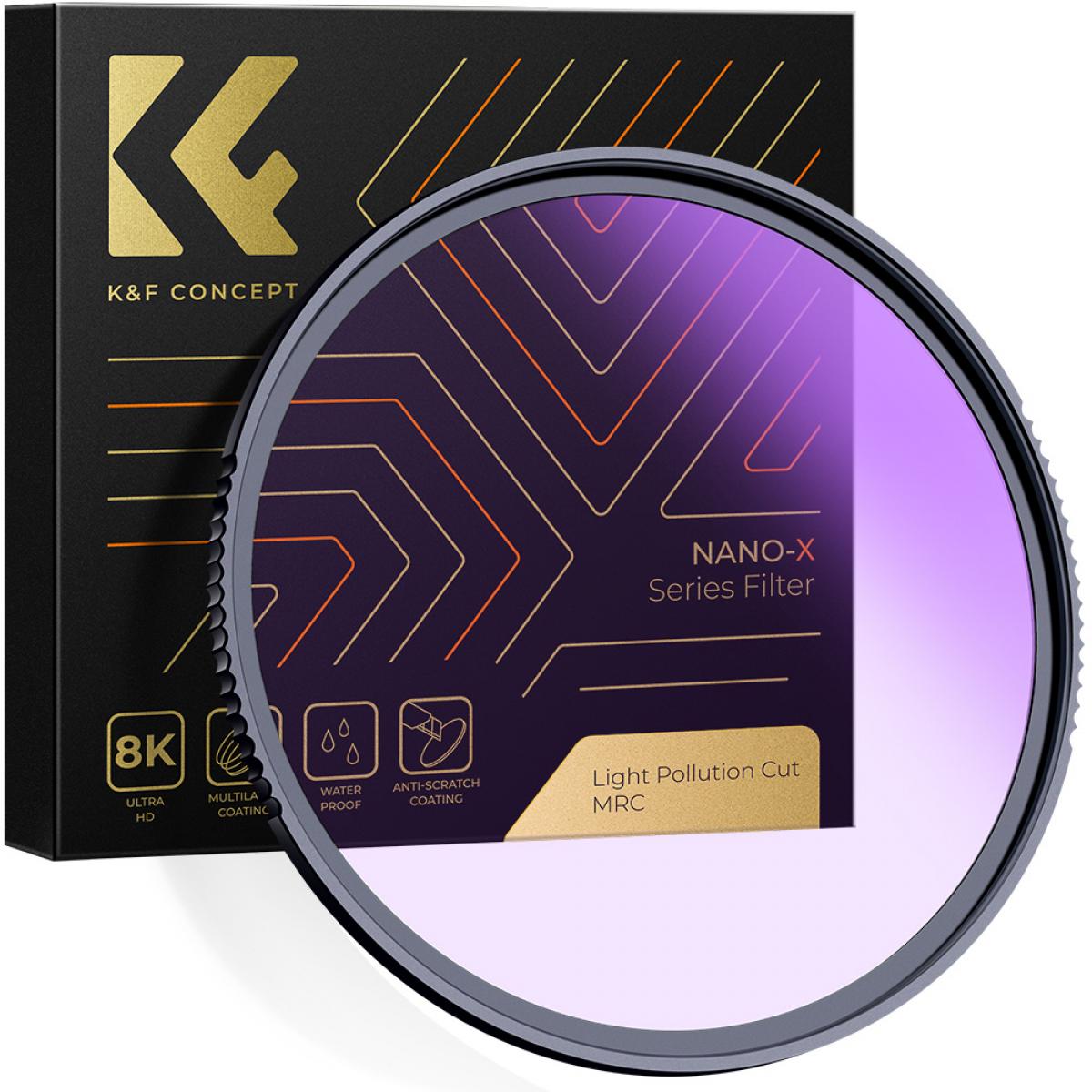

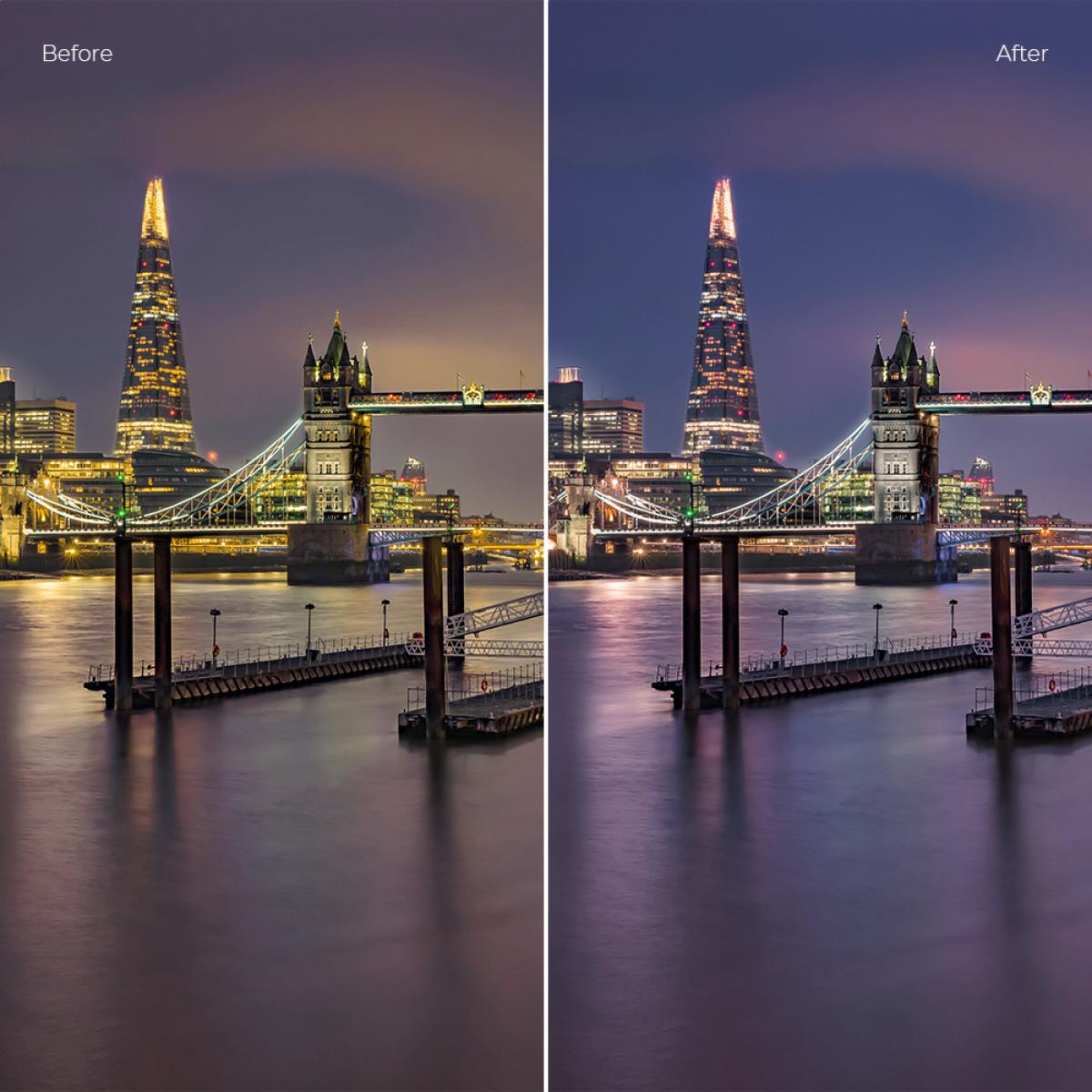
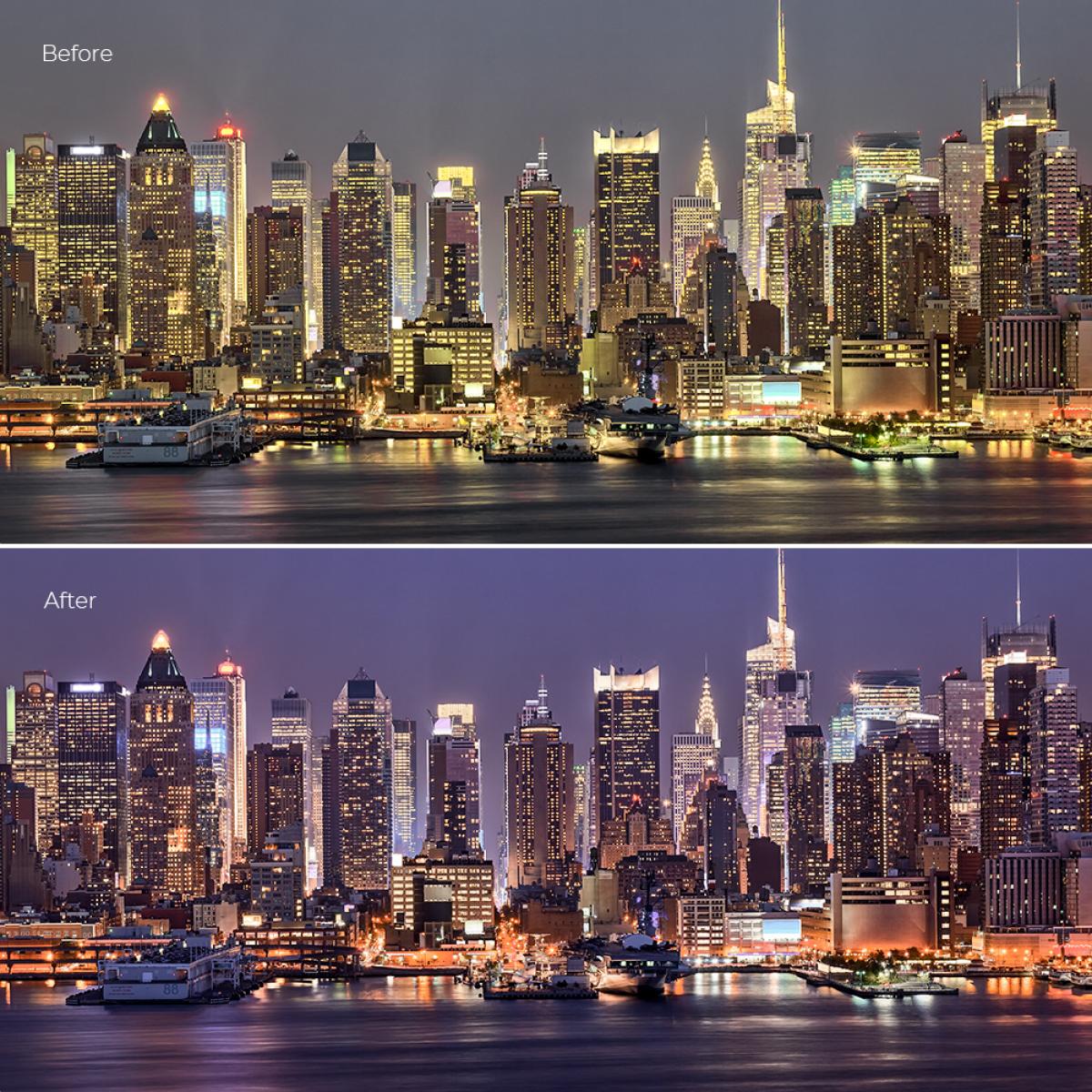
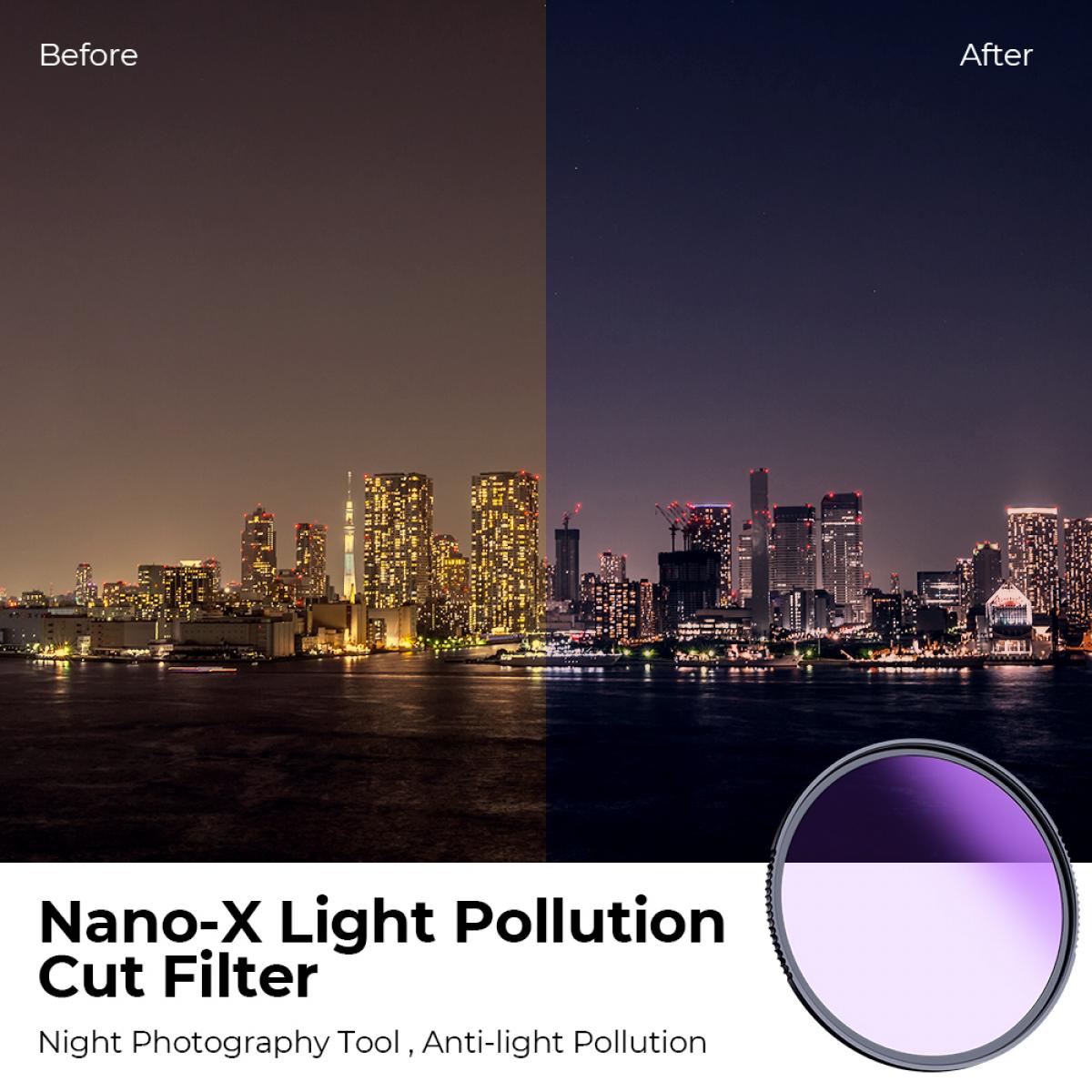
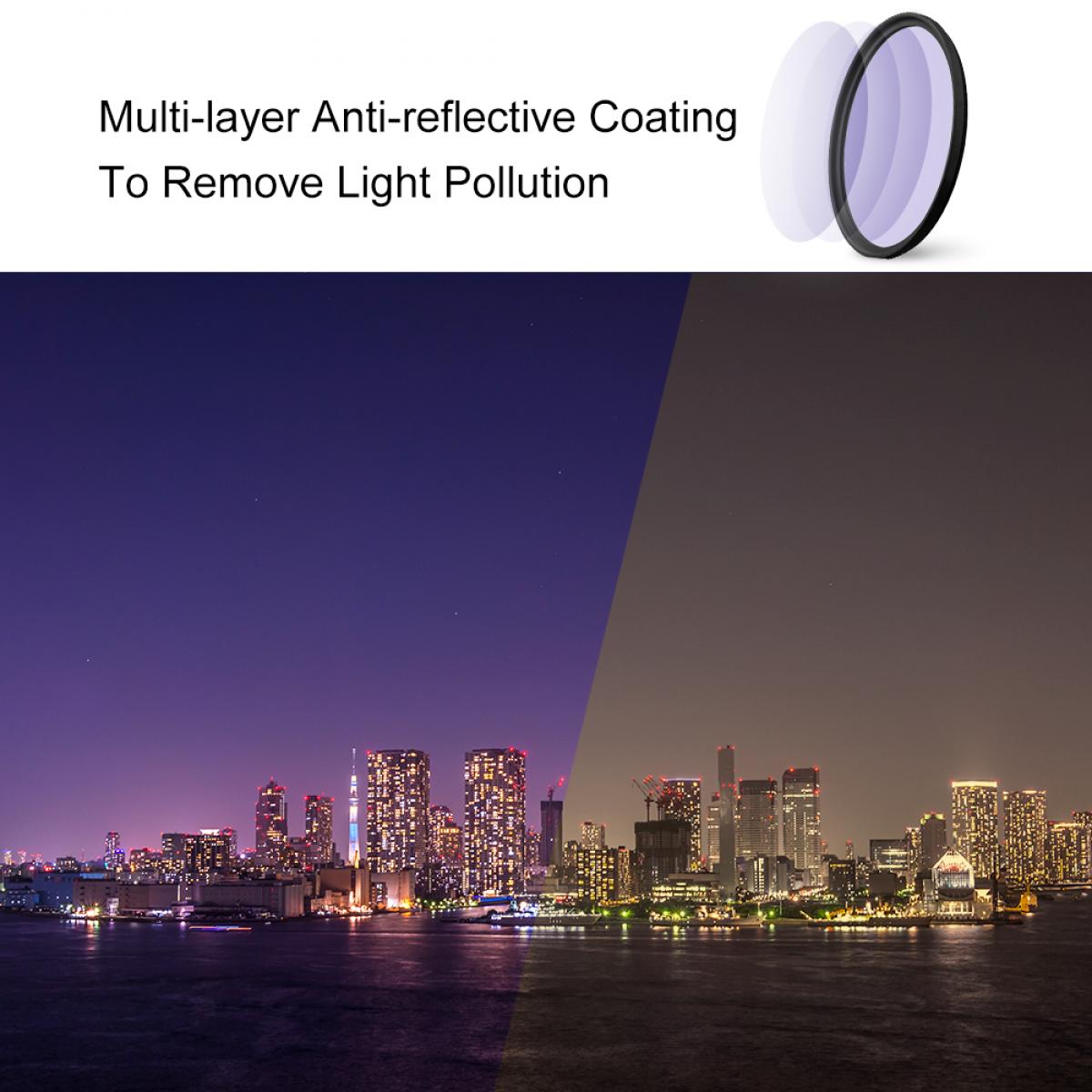
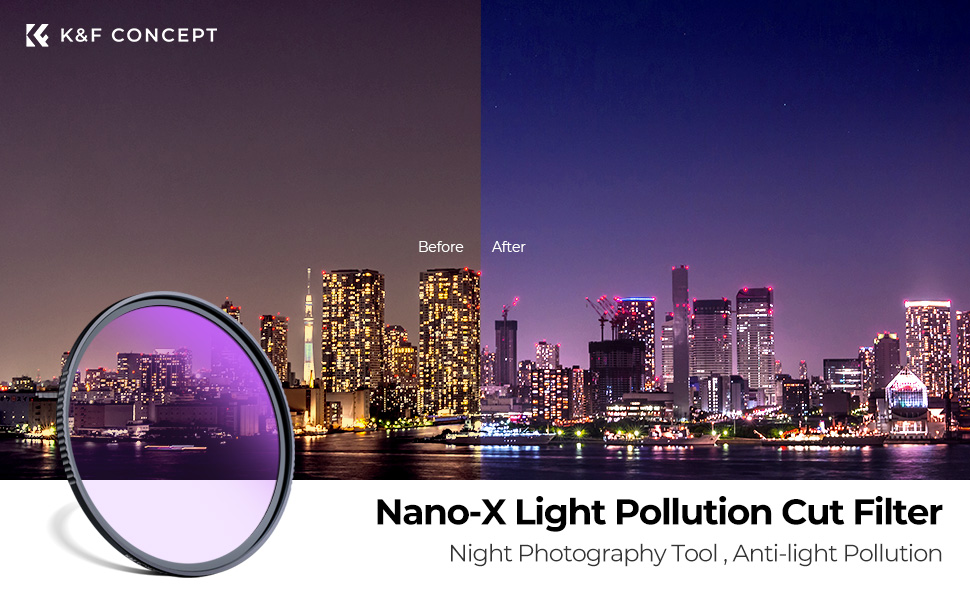
Clear-Night Filter has always been a challenge for photographers who like to photograph cities at night. This unpleasant haze makes capturing stars and celestial objects a lot more challenging. The new K&F Concept 67mm Light Pollution Filter is available for DSLRs with 67mm lens and helps to reduce the effects of light pollution. The special coating on the filter helps stop the yellow and orange wavelengths of light from entering the lens resulting in clearer photographs of the night sky. For architectural shots or long exposures in the urban environment, even delicate structures and contrasts are maintained in the subject and no longer overexposed. By means of extensive filtering of the warmer wavelengths of light, photographs are effectively ‘cooled down’ retaining the same detail and contrasts that you see with your eyes. As a result of this cooling effect, we recommend that photographers always use manual white balance and select a color temperature between 700K and 1500K of the reading that was taken without the filter inserted, to ensure the color authenticity of your pictures.
Description
- Unique Function: Light pollution doesn’t only adversely affect the quality of night-time city and architectural photographs but also scientific astrophotography in urban areas. K&F Concept Round Filter helps to reduce the unwanted effect of light pollution, giving photographs more contrast and clarity as a result.
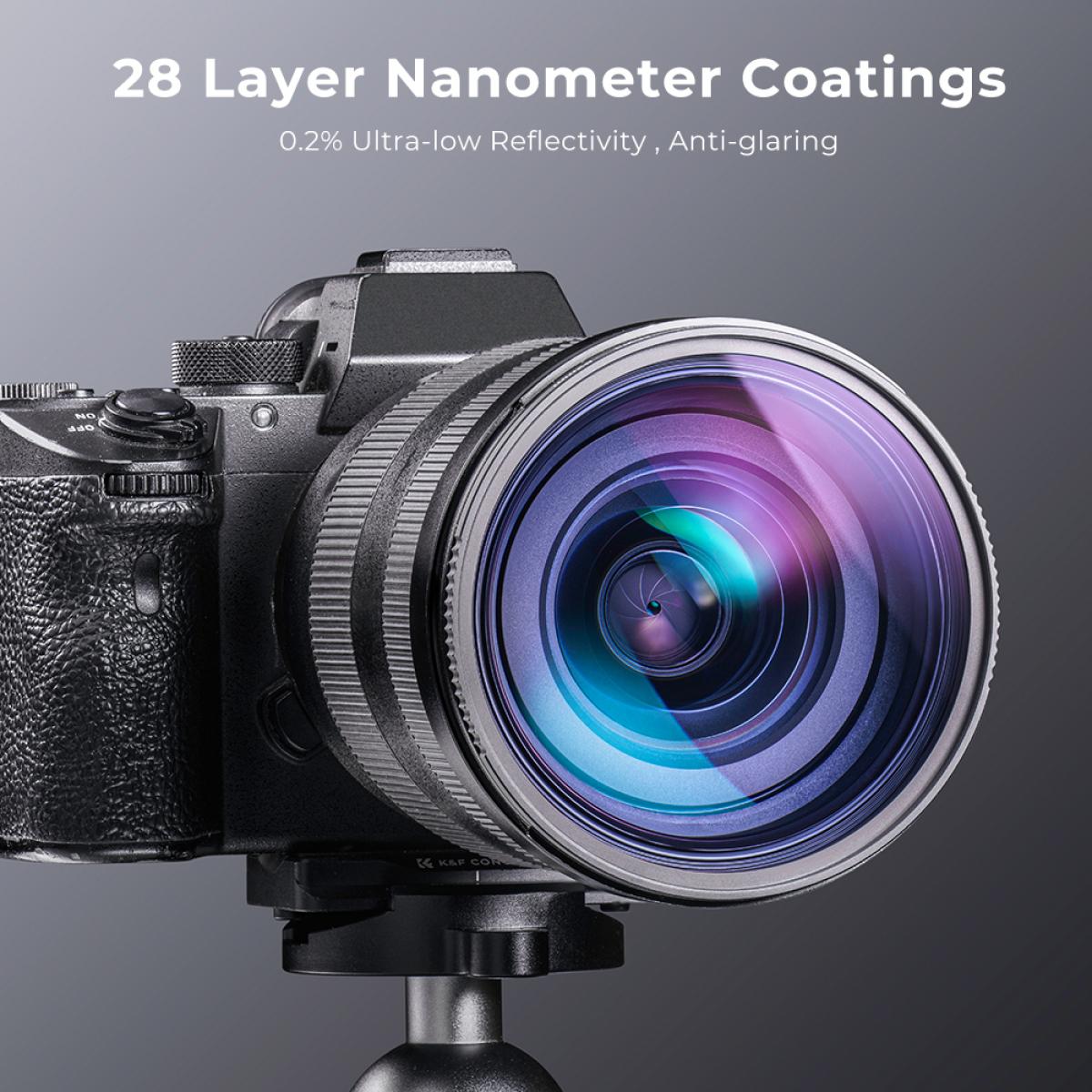
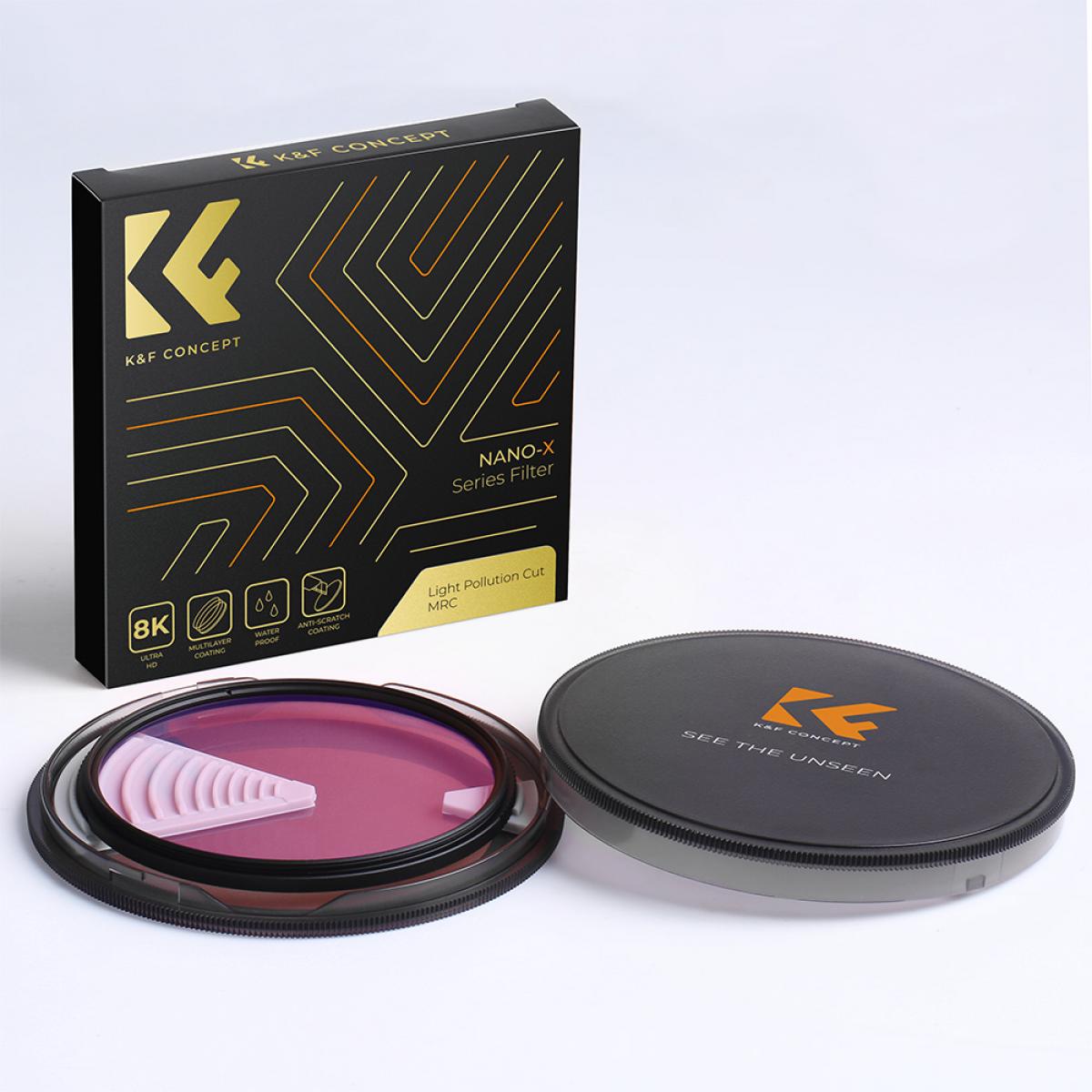
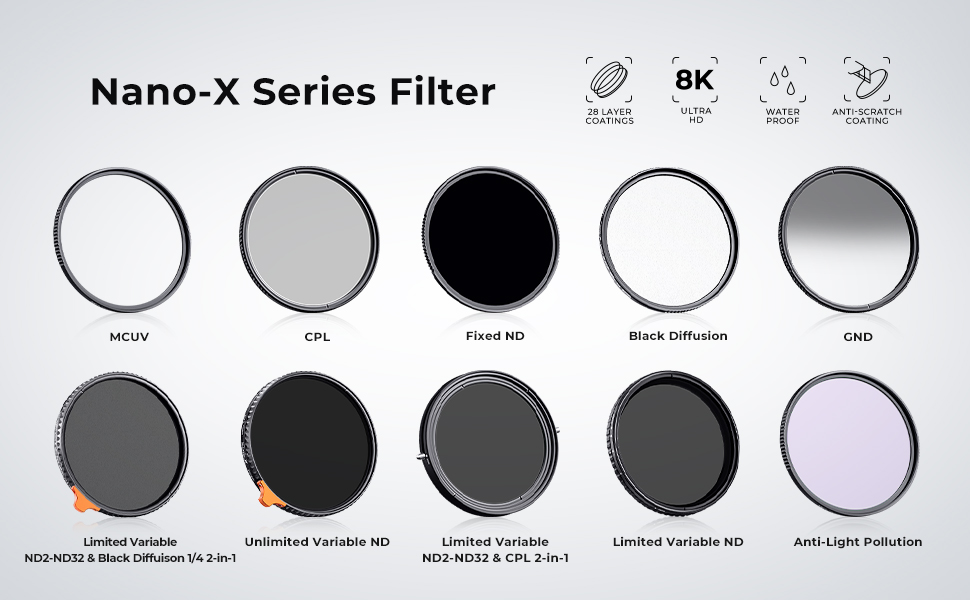
- Material: K&F Concept Natural Night Filters made of double side Nano-Coating use waterproof and scratch-resistance technology ,bring the high-quality definition, low-reflection and no Vignetting.
- High Quality: Block the most common wavelengths of light pollution in the night sky,Significant improvement in the colors throughout the whole scene.
- Super Slim: The ultra-slim frame design of 3.8mm and Super aviation aluminum alloy material,will not produce vignetting for any brand of camera.
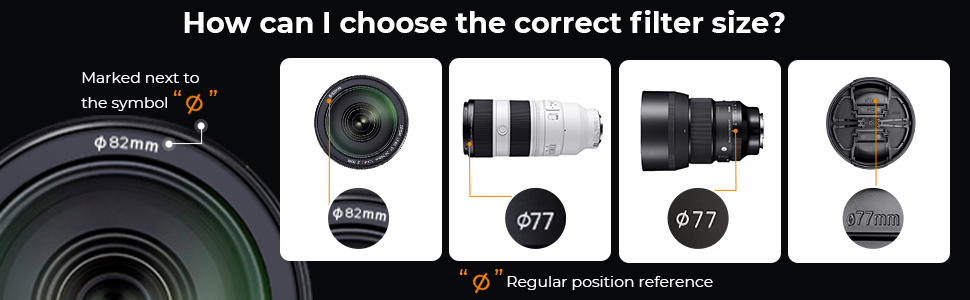
- NOTE: This Filter kit is compatible with all 58mm lenses. Please verify your camera's lens thread size(usually marked somewhere on the lens barrel or printed underneath the lens cap) before ordering.This number is always preceded by a "Ø" (diameter) symbol. For